
Categories
Uncategorized

When deciding between the new regime and the old regime, which one should you select? (Old Regime Vs new Regime)

Opting for the new income tax regime in India requires comprehending the fundamental differences between the old and new regimes and evaluating which one aligns more favourably with your financial situation. Presented below is an in-depth manual to assist you in making an accurate decision:

Understanding both the Old and New Regimes

Old Regime

A variety of deductions and exemptions are available to taxpayers under this system. This includes the House Rent Allowance (HRA), the Leave Travel Allowance (LTA), the standard deduction, deductions under Section 80C (investment in PF, PPF, life insurance, etc.), deductions under Section 80D (medical insurance), and plenty other deductions and exemptions.

New Regime

However, the majority of deductions and exemptions are removed under the new tax system, which results in lowered tax rates. With a few exceptions, taxpayers who fall under this system cannot take advantage of the deductions that were indicated above. These exceptions are contributions to the National Pension System (NPS), the standard deduction, and interest on house loans for self-occupied property.

Determine the amount of tax liability

Calculate your tax burden under both regimes by using an income tax calculator or consulting with a tax professional. The calculation will be based on your income, deductions, and exemptions.

Income tax calculator

You may determine which of the two regimes delivers a lower tax burden by comparing the tax that was payable under the previous system to the tax that is due under the new regime.

Think about your current financial situation

– Conduct an examination of your life goals, investing tactics, and sources of income. If you heavily rely on deductions and exemptions to lower your tax payment, it is likely that the prior system would be more advantageous for you. If you value simplicity and are satisfied with the trade-off of lower tax rates but fewer deductions, then it may be a more favourable choice for you.

Analyse the Coming Alterations

Consider the potential alterations that may occur in your income and current financial situation in the future. For instance, if you expect a considerable rise in your earnings or if you want to make major investments that qualify for deductions, the prior approach could lead to more favourable tax consequences.

Alternatively, if you expect a consistent income that does not involve significant deductions, the reduced tax rates under the new tax system may result in a drop in the amount of money you save.

Evaluate the Effects on Investments

Conduct an analysis to determine the alignment between your current investments and your future investment plans with each regime. Under the previous system, specific investments may have qualified for tax benefits. However, under the current system, this is no longer applicable.
When choosing a government system, it is crucial to evaluate the impact of taxes on long-term assets, such as the profits made from selling stocks or property.

Chat matters thoroughly with a tax advisor

If you are uncertain about which regime to select, it is advisable that you seek the counsel of a financial adviser or accounting specialist. Similarly, they have the capability to provide customised guidance that is specifically designed to align with your specific financial resources and objectives.

Write us infinityservices2018@gmail.com

File Form 10-IE

– To take advantage of the changed tax system, you must file Form 10-IE along with your income tax return to declare your decision for the current fiscal year.

It is crucial to consider that choosing between the old and new tax regimes depends on various factors that are unique to your financial situation. Therefore, it is vital to carefully evaluate your options.

Read More-
NPS FORM 10IE 

Section 194O of the Income Tax Act

Detailed Overview of GST Audit: Audit in accordance with the Central Goods and Services Tax Act of 2017

Categories
Income tax TAN or Tax deduction TDS

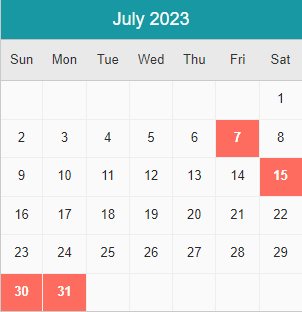
Income Tax due dates for July 2023

7 July 2023 –

​Due date for deposit of Tax deducted/collected for the month of June, 2023. However, all sum deducted/collected by an office of the government shall be paid to the credit of the Central Government on the same day where tax is paid without production of an Income-tax Challan

7 July 2023 –

​Due date for deposit of TDS for the period April 2023 to June 2023 when Assessing Officer has permitted quarterly deposit of TDS under section 192, 194A, 194D or 194H

15 July 2023 –

​​Due date for issue of TDS Certificate for tax deducted under section 194-IA in the month of May, 2023

15 July 2023 –

​​Due date for issue of TDS Certificate for tax deducted under section 194-IB in the month of May, 2023

15 July 2023 –

​​Due date for issue of TDS Certificate for tax deducted under section 194M in the month of May, 2023​

15 July 2023 –

​Due date for issue of TDS Certificate for tax deducted under section 194S in the month of May, 2023

Note: Applicable in case of specified person as mentioned under section 194S

15 July 2023 –

​Quarterly statement in respect of foreign remittances (to be furnished by authorized dealers) in Form No. 15CC for quarter ending June, 2023

15 July 2023 –

​Quarterly statement of TCS deposited for the quarter ending 30 June, 2023​

15 July 2023 –

​Upload the declarations received from recipients in Form No. 15G/15H during the quarter ending June, 2023

15 July 2023 –

​Due date for furnishing statement in Form no. 3BB by a stock exchange in respect of transactions in which client codes been modified after registering in the system for the month of June, 2023

30 July 2023 –

​Quarterly TCS certificate in respect of tax collected by any person for the quarter ending June 30, 2023

30 July 2023 –

​Due date for furnishing of challan-cum-statement in respect of tax deducted under section 194-IA for the month of June, 2023

30 July 2023 –

​Due date for furnishing of challan-cum-statement in respect of tax deducted under section 194-IB for the month of June, 2023

30 July 2023 –

​Due date for furnishing of challan-cum-statement in respect of tax deducted under section 194M for the month of June, 2023

30 July 2023 –

Due date for furnishing of challan-cum-statement in respect of tax deducted under section 194S in the month of June, 2023

Note: Applicable in case of specified person as mentioned under section 194S

31 July 2023 –

​Quarterly statement of TDS deposited for the quarter ending June 30, 2023

31 July 2023 –

​​Return of income for the assessment year 2023-24 for all assessee other than (a) corporate-assessee or (b) non-corporate assessee (whose books of account are required to be audited) or (c) partner of a firm whose accounts are required to be audited or the spouse of such partner if the provisions of section 5A applies or (d) an assessee who is required to furnish a report under section 92E.

31 July 2023 –

​Quarterly return of non-deduction of tax at source by a banking company from interest on time deposit in respect of the quarter ending June 30, 2023.

31 July 2023 –

​Statement by scientific research association, university, college or other association or Indian scientific research company as required by rules 5D, 5E and 5F (if due date of submission of return of income is July 31, 2023)​

31 July 2023 –

​Intimation in Form 10BBB by a pension fund in respect of each investment made in India for quarter ending June, 2023​

31 July 2023 –

​Intimation in Form II by Sovereign Wealth Fund in respect of investment made in India for the quarter ending June 2023

Source- https://incometaxindia.gov.in/

Enquiry

    error: Content is protected !!